From Forgotten Ideas to a Second Brain - Obsidian
February 10, 2026
I was never someone who gave much importance to tracking things. Maybe it is because of the kind of “(organized) mess” that has followed me since I was a kid, or because I never thought it could actually help me. Every thought or idea lived in my head and stayed there - at least for a while - until most of them disappeared into forgetfulness.
I remember one day, while I was walking to work, I had a brilliant idea to solve a web development problem I had been stuck on for a week. I was convinced I would remember it when I got home. Of course, I forgot it. This happened so many times that it started to bother me. It felt like I was sabotaging myself.
I have always admired people who keep journals and build systems that become a second brain for ideas and reflections. For me, that always felt far away.
Then, during one random exploration session on r/selfimprovement, someone mentioned Obsidian: a knowledge management system based on markdown files, stored locally on your own device, and free. It looked like spam at first, but after visiting the website and reading a few reviews, I decided to try it.
What makes Obsidian special is that every note, idea, and thought can be connected to others. The idea that came to you while running kilometer 8 of a 10k race can be linked to the project you have been building for three months, and that project can connect to a Substack newsletter you bookmarked. Over time, this starts to look like a neural network full of patterns. Your second brain.
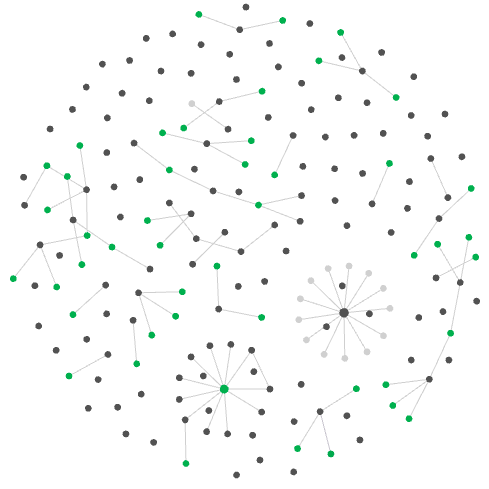
(mine after almost a year)
What started as a way to save ideas has become much more than that. Every 2-3 days, I try to find a moment to write and process everything I have lived in the previous days. Some of those notes eventually become articles on my blog (like this one). Without Obsidian, I probably would not have found the space to organize ideas and develop deeper ones.
There is also another big reason why having a knowledge base matters. As AI agents become more present in our lives, it is increasingly important to give them context about who you are. I want my AI agent to know everything about me, because that is how I will get the most out of AI.
At first, Obsidian intimidated me. I thought it was only for hardcore developers. But vibecoding has made tools like this much more accessible to everyone.
And maybe the biggest lesson it has taught me is this: once you become intentional about remembering your days, you become intentional about living them.